Cameron Baumann · 2 September 2026
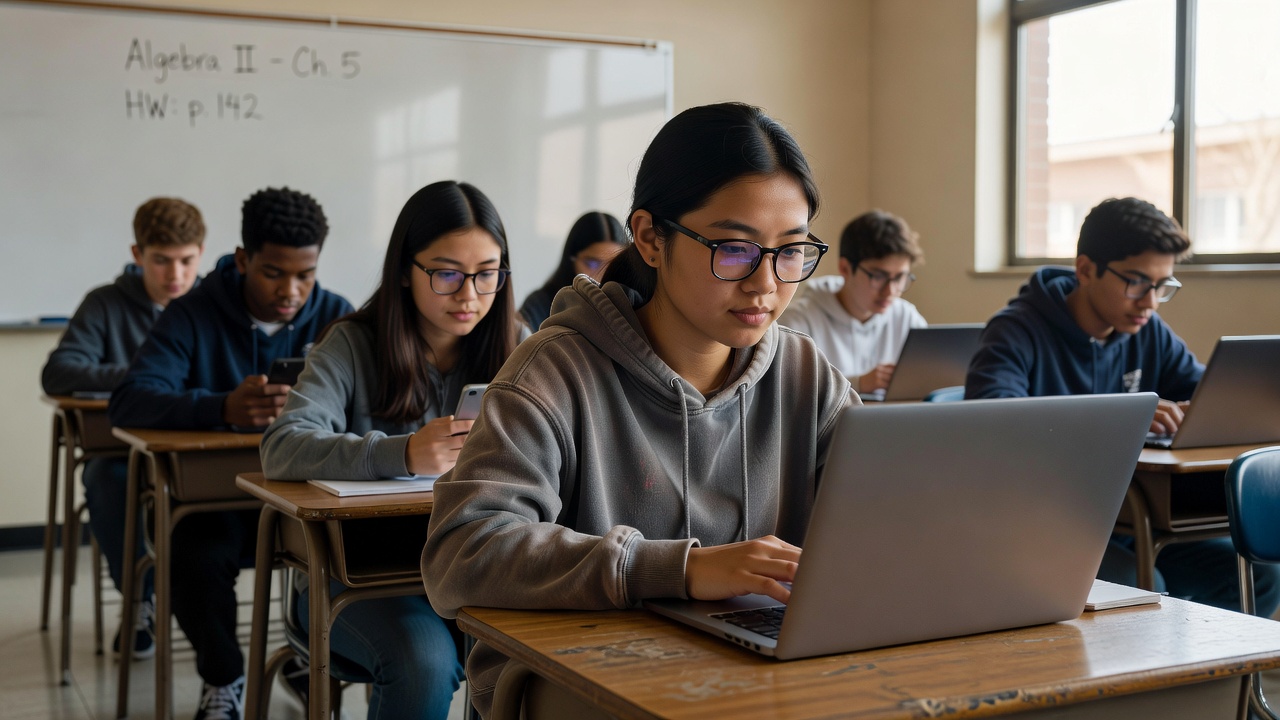
A recent study published in the Journal of Ophthalmology reveals a strong correlation between increased screen time and rising myopia rates among teenagers. Researchers tracked 5,200 adolescents aged 13 to 18 across multiple regions and found that participants averaging more than four hours daily on smartphones, tablets and computers faced a 62 percent higher risk of developing myopia compared with those limited to two hours. The data also showed that reduced outdoor activity compounded the effect, with teens spending under one hour outside daily exhibiting the steepest increases in refractive error.
Key Findings from the Research
The study controlled for genetic factors and confirmed that near-work activities, such as reading on screens, force the eye to accommodate continuously at close range. Prolonged accommodation is believed to trigger axial elongation of the eyeball, a hallmark of myopia progression. Blue-light exposure from devices was noted as a secondary contributor that may disrupt melatonin cycles and indirectly affect sleep quality, which itself influences ocular growth. Optical measurements taken at baseline and after 18 months demonstrated an average spherical equivalent shift of -0.75 diopters in the high-screen-time group versus -0.25 diopters in the low-screen-time group.
Lead author Dr. Lena Kowalski emphasized that the findings align with global trends showing myopia prevalence in teens rising from 20 percent two decades ago to nearly 40 percent today in urban populations. The research team recommended regular cycloplegic refractions in school screenings to detect early changes before they become permanent. Optical education programs could incorporate lessons on how lens curvature and corneal shape determine focus, helping students understand why corrective lenses or orthokeratology may be required.
Recommendations for Parents and Educators
Optics Education Hub experts advise implementing the 20-20-20 rule: every 20 minutes, look 20 feet away for 20 seconds. Parents should encourage at least two hours of outdoor time daily, as natural light stimulates dopamine release in the retina, which slows eyeball elongation. Schools can schedule device-free breaks and provide larger print materials to reduce near-focus demand. Annual comprehensive eye exams remain essential, allowing optometrists to monitor progression and prescribe updated prescriptions promptly. Early intervention with multifocal contact lenses or low-dose atropine drops has shown promise in slowing myopia advancement by up to 50 percent in clinical trials. Continued public education on these evidence-based strategies can help curb the myopia epidemic among adolescents.